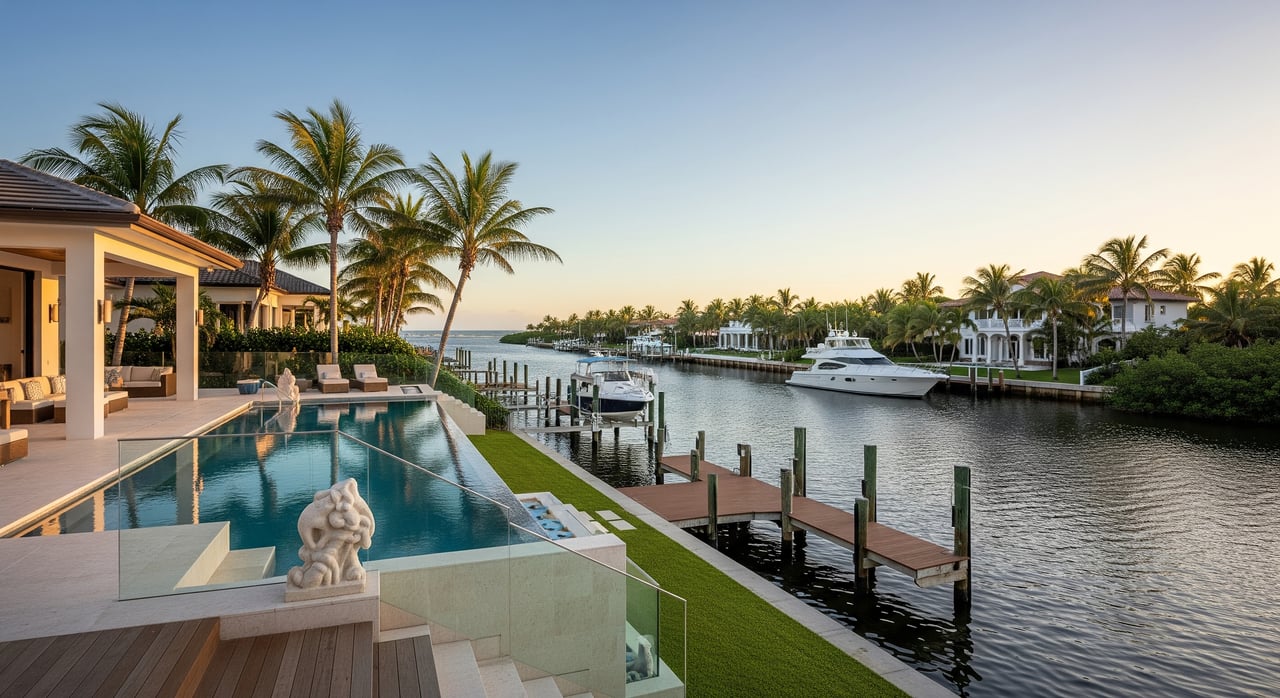
Do you picture your mornings with the sun rising over open ocean or coffee on a calm dock as boats pass by? Choosing between Jupiter’s oceanfront and Intracoastal lifestyles is exciting, but the details matter. You want the right mix of views, access, costs, and long‑term confidence. This guide breaks down daily living, costs, maintenance, rules, and resale so you can choose with clarity. Let’s dive in.
Oceanfront lifestyle in Jupiter
What you get
- Direct beach access and panoramic Atlantic views.
- Sunrise vistas, strong surf, and beach recreation like swimming, sunbathing, and scenic walks.
- Proximity to the Jupiter Inlet for quick ocean access and fishing.
Daily tradeoffs to consider
- Louder surf, stronger winds, and more salt spray that can affect outdoor living.
- More visibility from beachgoers, which can reduce privacy.
- Higher attention to exterior upkeep due to the coastal environment.
Typical properties and community vibe
- Beachfront single-family homes and oceanfront condos, including high-rises.
- A lively beach scene with walking and biking paths and beachside dining.
- A vacation-friendly feel that attracts seasonal visitors.
Intracoastal lifestyle in Jupiter
What you get
- Protected water for boating and easier dock access.
- Calmer conditions for paddleboarding and kayaking.
- Backyards and patios that face the Intracoastal Waterway or canals, often with more privacy.
Daily tradeoffs
- Fewer open-ocean views and no direct beach frontage.
- Beach visits usually mean a short drive or walk, depending on location.
- Water views are of the waterway and boat traffic rather than the horizon line.
Typical properties and community vibe
- Single-family homes with private docks, canal-front homes, and marinaside condos.
- Active boating and fishing culture, marinas, yacht clubs, and waterfront dining.
- Social life centered on the ICW and local harbors.
Boating, beaching, and everyday living
Access and recreation
- Oceanfront: You step onto the sand for sunrise walks, surf, and beach time. The Jupiter Inlet Lighthouse & Museum area and nearby beaches anchor local life.
- Intracoastal: You enjoy protected waters for day boating, fishing, and paddle sports, with easy access to marinas and the ICW.
Commuting and errands
- Across Jupiter, you will find similar access to major roads, services, and daily conveniences. Parking, walkability to restaurants, and distance to main corridors vary by neighborhood, whether you live oceanfront or on the ICW.
Cost factors beyond the list price
Price dynamics and buyer pools
- Oceanfront homes typically command a premium due to direct beach frontage and unobstructed views. In certain enclaves, premiums can be substantial.
- Intracoastal properties are also highly desirable, especially with deep-water docks, yet often price below comparable oceanfront options.
- Resale demand differs: oceanfront appeals to a focused luxury buyer pool, while Intracoastal can draw a broader audience that includes families and boaters.
Insurance and flood zones
- Both locations face coastal insurance realities. Oceanfront parcels often fall in higher-risk FEMA zones like V or VE due to wave action, which can mean higher flood insurance and strict building standards.
- Intracoastal properties may be in AE or other zones depending on elevation and exact location, and canals can still carry surge risk.
- Always obtain property-specific quotes for home, wind, and flood insurance and review elevation certificates and flood maps.
Maintenance realities
- Oceanfront: Expect more frequent painting, attention to metal fixtures and HVAC due to salt corrosion, and potential dune or seawall management.
- Intracoastal: Plan for dock and piling upkeep, seawall inspections, and marine maintenance, especially if you keep a boat.
HOA, condo fees, and carrying costs
- Oceanfront condos often have higher association fees covering amenities and building insurance. Single-family homes in both areas may have community or private management fees.
- Property taxes are assessed by Palm Beach County based on value and exemptions. Interest rates, tax assessments, and HOA dues all affect monthly costs.
Rules, permits, and long-term resilience
Coastal construction and docks
- On the oceanfront, major work often requires compliance with Florida’s Coastal Construction Control Line rules and local permitting. Setbacks, dune protection, elevation, and wind codes are central.
- Docks and seawalls on the ICW and canals typically require permits and sometimes review by multiple agencies. Design limits can apply based on waterway resources and navigation.
Sea-level rise planning
- South Florida is planning for sea-level rise and coastal resilience. Review local projections, county resilience documents, and neighborhood elevation data as part of your long-term decision.
Investor lens: rental and resale
Oceanfront rental appeal
- Beachfront properties often draw strong seasonal demand and short-stay vacation interest. Verify municipal rules and any HOA or condo restrictions before assuming short-term rental income.
Intracoastal tenant base
- ICW homes and condos can attract longer-term residents who value boating and waterfront living without surf exposure, which may support more stable occupancy.
Liquidity and resale
- Scarcity and view lines support oceanfront value in absolute terms. Market conditions, perceived climate risk, and insurance costs can affect both segments, so plan for your time horizon and exit strategy.
Step-by-step buyer checklist
- Define lifestyle priorities: direct beach access and ocean views or private dock access and calmer water.
- Confirm the current flood zone and request an elevation certificate or recent survey.
- Get multiple insurance quotes for home, wind, and flood tailored to the specific property.
- Inspect for salt-related wear on oceanfront systems and evaluate dock, piling, and seawall condition on ICW homes.
- Review permitting history and constraints, including seawalls, docks, and coastal construction compliance.
- Read HOA or condo documents for rental rules, maintenance responsibilities, and dues.
- Verify short-term rental regulations with the Town of Jupiter, Palm Beach County, and your HOA or condo association.
- Consider long-term climate risk, neighborhood elevation, and your resale timeline.
- If boating is key, confirm water depth, channel access, and dredging history for your dock or marina.
- Consult a local coastal specialist and engage a surveyor or coastal engineer if you plan major changes.
How to decide what fits you
If your dream is sunrise walks and endless horizon views, oceanfront likely fits you best. If your priority is boating from your backyard and enjoying sheltered outdoor spaces, the Intracoastal may be the better match. Your decision comes down to lifestyle first, then insurance, maintenance, and rules second. When you weigh both sets of tradeoffs against your budget and time horizon, the right choice becomes clear.
Ready to compare specific buildings, docks, fees, and flood zones side by side? Reach out for a private consult. You can expect clear data, building-level insight, and a concierge process from search to close. Connect with Michelle Rinaldi to get started.
FAQs
Which is better for year-round living in Jupiter?
- Both can work well; Intracoastal areas are typically calmer and appeal to year-round boaters and families, while oceanfront suits buyers who prioritize beach access and ocean views.
Are oceanfront homes in Jupiter riskier during hurricanes and flooding?
- Oceanfront properties often face higher exposure to storm surge and wave action and may fall into V or VE flood zones, which can mean stricter building standards and higher flood premiums.
How important is a private dock on the Intracoastal in Jupiter?
- It is very important for boaters; confirm slip size, water depth, access to the ICW, and dredging history because a usable, permitted dock can significantly impact value and enjoyment.
Do oceanfront homes in Jupiter need more maintenance?
- Yes; salt spray accelerates corrosion and wear on metal, HVAC, and exterior finishes, so plan for more frequent upkeep, painting, and attention to coastal structures.
Which holds value better in Jupiter: oceanfront or Intracoastal?
- Oceanfront scarcity and views support higher absolute values, while Intracoastal homes often attract a broader buyer pool; market conditions, insurance costs, and climate risk perceptions influence both.
Can I use Jupiter oceanfront or Intracoastal properties for short-term rentals?
- Rules vary by municipality and community; confirm Town of Jupiter and Palm Beach County regulations and review HOA or condo documents before planning short-term rentals.